Channel sheet · CH-27 · gain 3 min · logged September 30, 2026
Content & SEO in the AI EraDirect input
Google Ships New AI Search Guide: What SEO Teams Need Now
Google has published a new guide on SEO for AI search, titled "Google's new guide for AI search: what SEO really needs now," per PPC Land.
By Nathan Brooks3 min read557 words
Signal notes
- Google released a new guide on SEO for AI search, titled "Google's new guide for AI search: what SEO really needs now" (reported by PPC Land).
- The guide gives SEO teams an official baseline to audit sites against as AI Overviews absorb clicks from traditional organic listings.
- Full details of the guide's recommendations were not available at press time; a breakdown will follow.
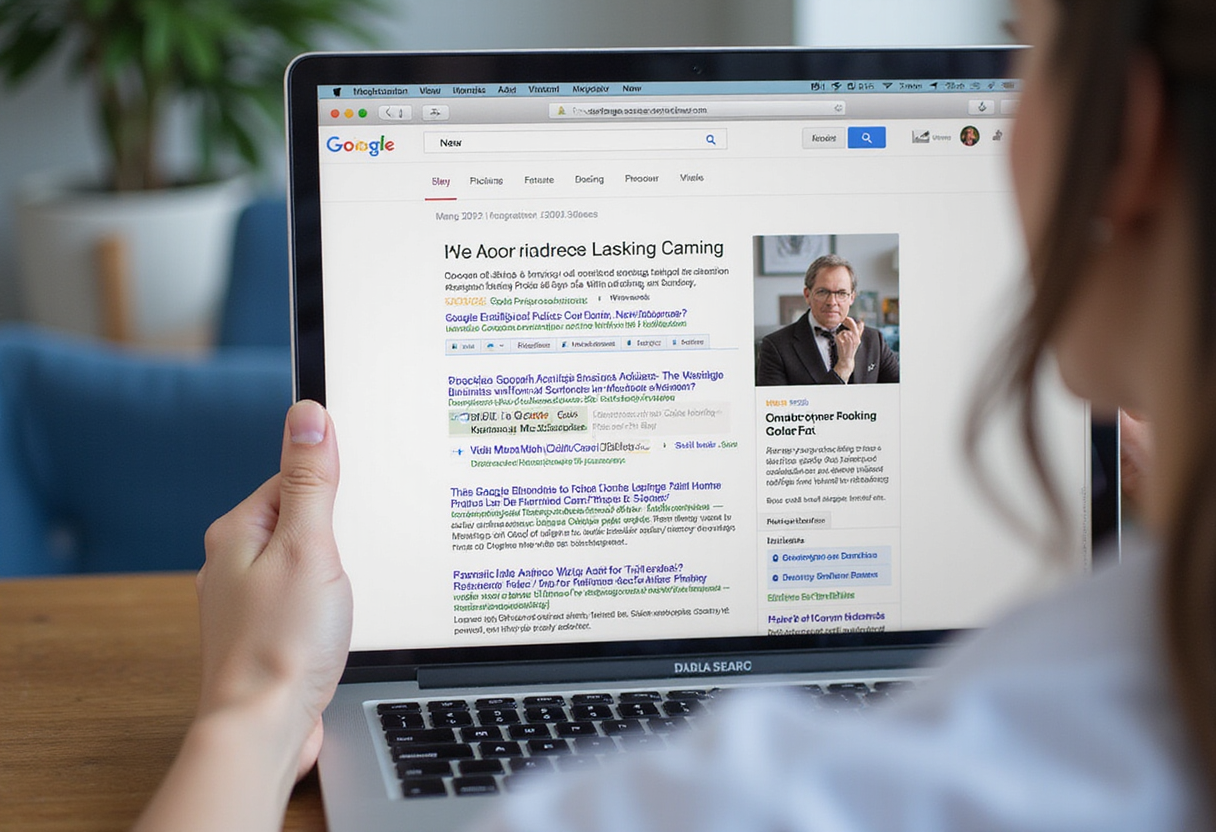
Google has released a new guide covering how sites should approach search optimization as AI-generated results take a larger share of the results page. The publication, reported by PPC Land, is titled "Google's new guide for AI search: what SEO really needs now."
The guide arrives as operators and publishers adjust traffic forecasts downward across the industry. AI Overviews and similar machine-summarized answer formats now absorb clicks that previously flowed to listed websites. For ad buyers, affiliate operators, and content teams, that shift changes the math on organic acquisition.
What the release signals
Google publishing formal guidance on AI search optimization marks a change in posture. For most of the past two years, the company gave limited direction on how AI Overviews select and cite sources. Site owners worked from observed behavior, third-party studies, and speculation. An official document gives teams a baseline to audit against.
The practical takeaway for operators: the guide defines what Google says it rewards in an AI-mediated results environment. Teams can now compare their current on-page structure, schema usage, and content formatting against stated expectations rather than guesswork.
Why operators should care
Three groups have direct exposure to this release:
- SEO and content teams. Any published criteria from Google become an immediate checklist item. Expect audits against the guide within weeks across agencies.
- Paid search buyers. Organic and paid performance move together in most accounts. If AI surfaces compress organic clicks further, CPC dynamics and budget allocation shift too.
- Publishers and affiliates. Citation inside AI answers may become the new visibility metric, replacing raw ranking position. The guide is the first formal word on how that selection works.
The context
Google has faced pressure from two directions. Advertisers want clarity on where their placements appear relative to AI answers. Publishers want to know how to stay citable as summary boxes expand. A guide addressing "what SEO really needs now" speaks directly to that second group, and indirectly to the first.
The release also fits a pattern. Google has shipped documentation in stages as AI features roll out — first for AI Overviews, then for extended summaries, now for optimization guidance. Each document has landed after the feature reached broad traffic, not before. This one follows the same sequence.
What to do with it
Read the guide against your current site, not as theory. The concrete questions for any operator:
- Does the guide confirm or contradict the ranking signals you currently optimize for?
- Does it specify formatting, structure, or markup requirements for AI citation?
- Does it change your traffic projections for Q-dependent revenue lines?
Where the guide is silent, treat silence as a gap. Google's optimization documents historically understate what matters. Third-party testing remains necessary.
The bottom line
A Google guide on AI search optimization is overdue and now shipped. The full contents determine whether it changes workflows or just confirms them. Either way, teams running organic programs should read the primary document before the interpretation layer — agency summaries and conference talks — fills the gap with speculation.
We will follow with a detailed breakdown of the guide's specific recommendations in upcoming coverage.
Note: This report is based on the initial announcement. The full guide text was not available at press time; specifics on recommendations, requirements, and rollout details will follow in our next update.
via Google News — AI content and SEO (Source)
More from Nathan Brooks
Show full bio
Correspondent covering marketplaces and e-commerce at Mart Signal.
24 articles