Channel sheet · CH-09 · gain 3 min · logged October 16, 2026
Generative CreativeDirect input
Coke AI Ads Draw Backlash: What Marketers Can Learn
A 11/17/2025 MediaPost analysis, 'What Marketers Can Learn From Backlash To Coke AI Ads,' frames generative creative as a cost win with a brand-trust trade-off.
By Sophie Lindqvist3 min read514 words
Signal notes
- MediaPost published 'What Marketers Can Learn From Backlash To Coke AI Ads' on 11/17/2025
- The headline frames the episode as instructive for marketers rather than as a scandal
- Coca-Cola's AI-generated creative drew a backlash significant enough to warrant trade-press analysis
- The article was not accessible beyond the headline, limiting verifiable specifics on spend, dates, and quoted marketers
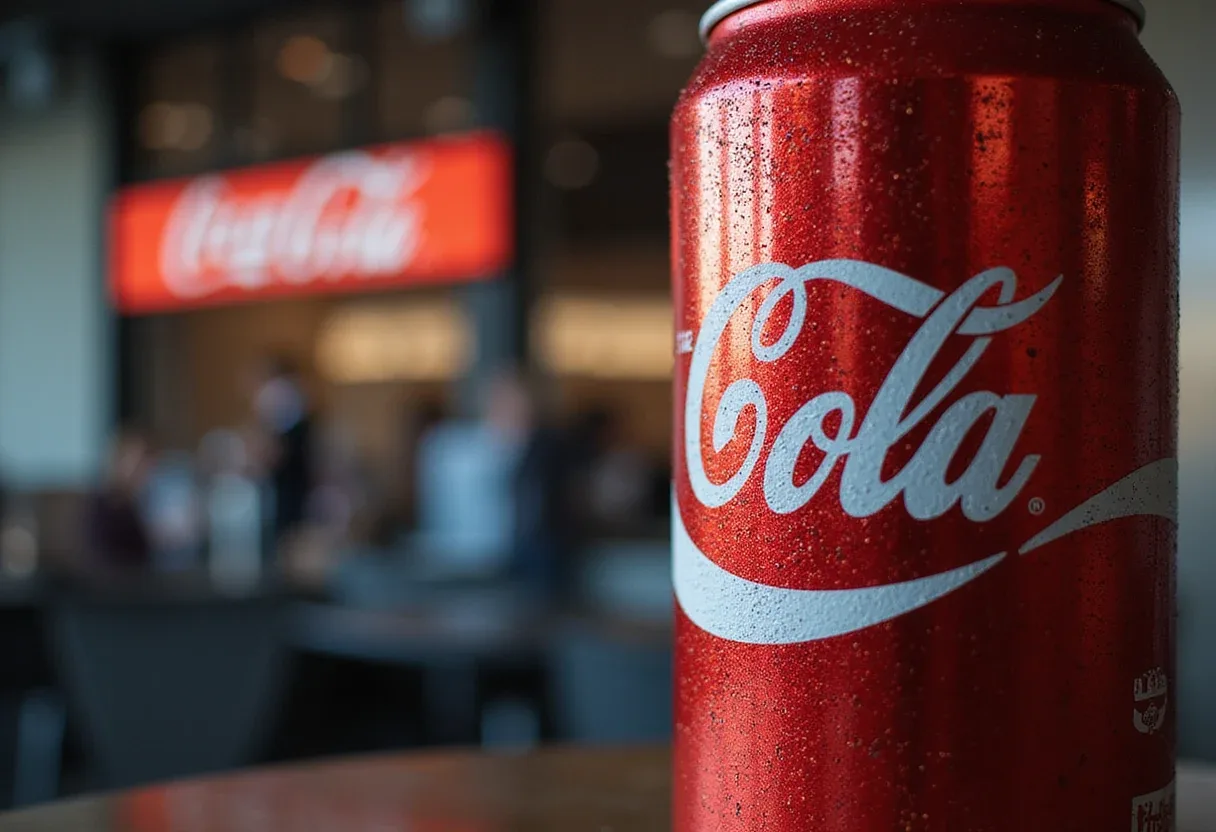
A 11/17/2025 MediaPost analysis titled "What Marketers Can Learn From Backlash To Coke AI Ads" puts a measurable industry reaction under the microscope.
The headline alone signals three things: Coca-Cola ran advertising built through generative tools, that work drew a backlash worth covering, and the lessons cut across the wider marketing trade.
What does the headline actually say?
The piece runs under the byline of MediaPost, a long-running U.S. advertising trade publication. Its framing is instructive rather than accusatory. The word "backlash" implies a quantifiable reaction from viewers or commentators. The phrase "what marketers can learn" positions the episode as a teaching case rather than a scandal.
What does this change for marketers?
That is the question the headline promises to answer, and the practical one for anyone planning a creative budget. Three points are likely to land for the trade audience.
- Production savings are real, but they do not buy brand permission. Generative pipelines remove shoot days, talent fees, and post-production hours that a traditional campaign absorbs.
- Audiences detect seams. Once a viewer spots the tell, the ad stops working as advertising and starts working as a topic of complaint.
- The cost of defending a misfire often exceeds the cost of replacing it. Brands that move quickly to revise or pull AI-built creative usually close the issue faster than brands that defend the original.
Why does this pattern keep repeating?
AI-generated advertising has become a default test bed for major brands because the cost arithmetic favors it. A campaign that once required crews, locations, and licensed music can now be assembled from prompts and stock models in a fraction of the time. The savings are visible on a balance sheet before the work ships.
The reaction is also predictable. Viewers have grown familiar enough with generative output to recognize its visual signatures. When those signatures appear in a high-spend slot, the gap between cost-cutting and craft becomes the story.
What the headline does not say
The MediaPost headline is a pointer, not the full article. The specific spend, the campaign dates, the named marketers quoted inside the piece, and the metrics behind the word "backlash" sit behind the headline. Reporting from a headline alone, without the body, limits what can be verified.
What the headline does establish is that an AI creative misfire on a major brand reached the threshold of trade-press coverage in mid-November 2025. That alone is enough to move the topic onto a CMO agenda.
The practical takeaway
The lesson is not whether to use generative tools. Most major advertisers already do. The lesson is where the human checkpoint sits. A workflow that keeps human creative direction in the brief, in the review, and in the final approval tends to ship work that audiences do not flag. A workflow that hands the final cut to a generative pipeline tends to ship work they do.
For marketers weighing a 2026 campaign, the MediaPost headline is a reminder: the cheaper the production, the more important the craft gate around it.
via Google News — Generative AI advertising campaigns (Source)
More from Sophie Lindqvist
Show full bio
Staff writer covering money, funding and market shifts around marketing professionals running AI in the stack at Mart Signal.
133 articles
Bus out
- Coca-Cola persists with generative AI push despite backlash
- Marketing Dive asks why Coca-Cola keeps pushing generative AI limits
- AI Reshapes Marketing Budgets as Consumer Behavior Shifts: Report
- Coca-Cola's 2025 AI Holiday Ad Splits Audiences Online
- Coca-Cola's AI Holiday Ad Becomes a Cautionary Reference Point