Channel sheet · CH-29 · gain 3 min · logged October 10, 2026
Generative CreativeDirect input
Coca-Cola's AI Holiday Ad Becomes a Cautionary Reference Point
Business Insider's latest critique frames Coca-Cola's AI-generated holiday campaign as evidence of generative video's current ceiling — and a directional signal for major brand marketers.
By Amara Osei3 min read507 words
Signal notes
- Coca-Cola rebuilt its iconic 1995 'Holidays Are Coming' holiday spot using generative AI tools, with conventional finishing applied to selected frames.
- Business Insider published a critique this week headlined 'This year's Coca-Cola holiday ad exposes one of the biggest problems with AI-generated video.'
- Coca-Cola ranks among the largest measured-media advertisers in consumer goods, with annual ad spend in the multi-billion-dollar range.
- Online reception split between AI-tool advocates citing production speed and budget efficiency, and working creatives flagging visible inconsistencies.
- Coca-Cola publicly confirmed the production approach at launch and framed the campaign as a deliberate test of generative video on a global holiday timeline.
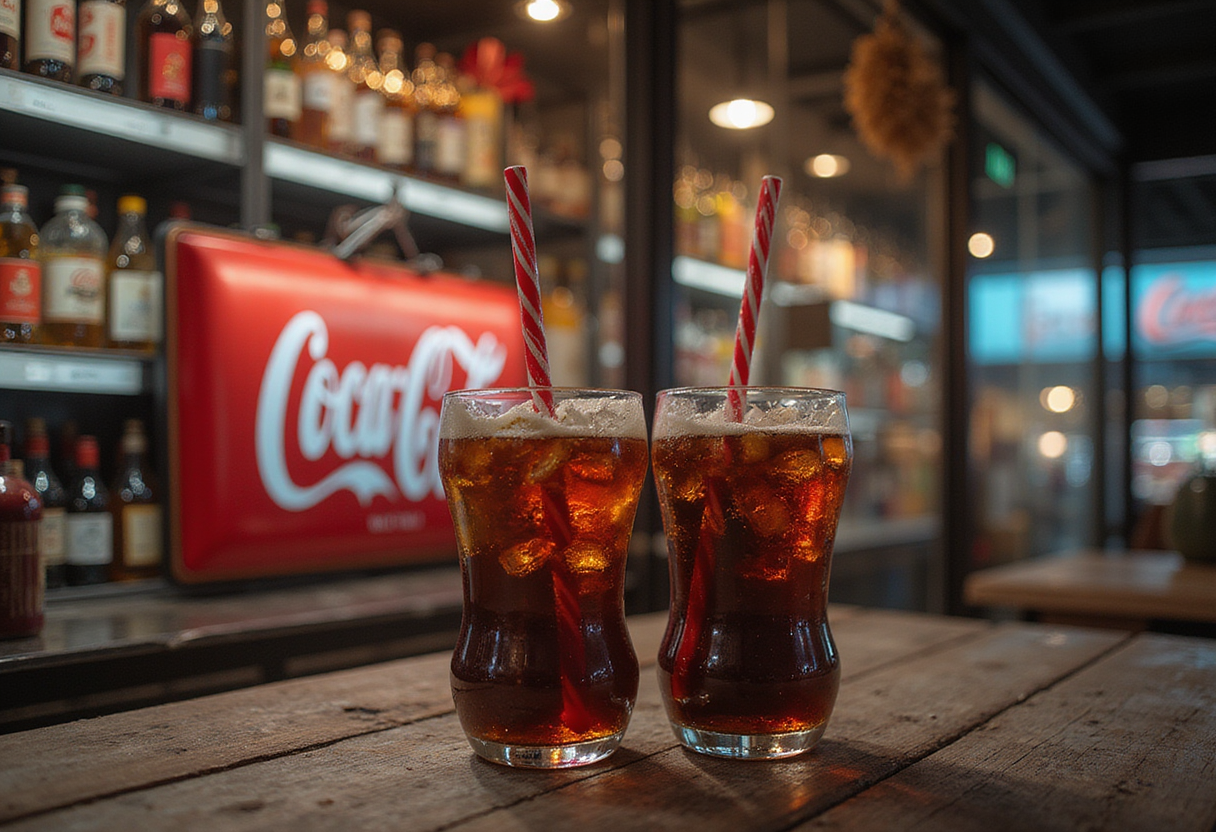
Business Insider published a critique this week arguing that Coca-Cola's AI-generated holiday advertisement exposes one of the largest current weaknesses in generative video.
The headline — "This year's Coca-Cola holiday ad exposes one of the biggest problems with AI-generated video" — frames the campaign as a stress test the technology currently fails. The analysis walks through specific moments in the ad that betray the model, and connects those moments to broader questions about whether current generative video tools are ready for hero brand storytelling.
What does the critique target?
Business Insider's argument centers on authenticity at scale. Even with substantial compute and prompt engineering behind the spot, current systems struggle with the kinds of detail that audiences process below conscious attention.
The piece identifies specific seconds in the ad where the seams show, and uses those seconds to make a general case about where generative video falls short of traditional production.
What did the brand actually ship?
Coca-Cola rebuilt its iconic 1995 "Holidays Are Coming" spot using a pipeline of generative AI tools, with conventional finishing applied to selected frames. The company confirmed the AI-driven approach publicly when the campaign launched, and framed the choice as a deliberate test of what the technology could deliver on a global holiday timeline.
Why does the scale matter?
Coca-Cola ranks among the largest measured-media advertisers in consumer goods, with annual ad spend reported in the multi-billion-dollar range. A flagship holiday slot carries weight disproportionate to its airtime. It anchors the brand's annual creative reputation and drives a meaningful share of seasonal sales.
Placing AI-generated video in that slot signals a directional bet by major brand marketers. When the bet draws this level of critical scrutiny, every AI-curious creative team using the spot as a reference point has to revisit their own assumptions.
How did the market react?
The online reception split along familiar lines. AI-tool advocates pointed to production speed and budget efficiency as wins. Working creatives and post-production professionals pushed back, arguing that audiences can spot the inconsistencies, and that the volume of social conversation does not necessarily translate into the brand-favorability metrics Coca-Cola reports to investors.
Both reactions drove volume. The volume of commentary drove substantial earned-media coverage — though the tone of that coverage did not uniformly favor the campaign's aesthetic choices.
What is the takeaway for buyers?
For advertisers evaluating generative video for short-form social, the current state of the art is approaching viability for high-tempo, low-stakes formats. For long-form hero brand storytelling — where viewers reward authenticity and penalize the uncanny-valley tell — the Business Insider critique reads as a caution flag.
The technology will improve. Larger training corpora, better temporal coherence, and improved physics awareness are shipping from the major model labs. Until they do, the Coca-Cola holiday campaign will stand as a public record of what the state of the art could deliver this season, and where it fell short.
via Google News — Generative AI advertising campaigns (Source)