Channel sheet · CH-12 · gain 2 min · logged October 14, 2026
Generative CreativeDirect input
Mondelez Turns to Generative AI to Cut Marketing Costs
Mondelez, maker of Oreo, plans to deploy a generative AI tool to cut marketing costs, Reuters reports — without naming the vendor, the savings target, or a launch date.
By Nathan Brooks2 min read458 words
Signal notes
- Mondelez, maker of Oreo, plans to use a new generative AI tool for marketing, Reuters reports.
- The stated goal is to reduce marketing costs.
- No figure for expected savings has been disclosed.
- No vendor or launch timeline for the tool has been named.
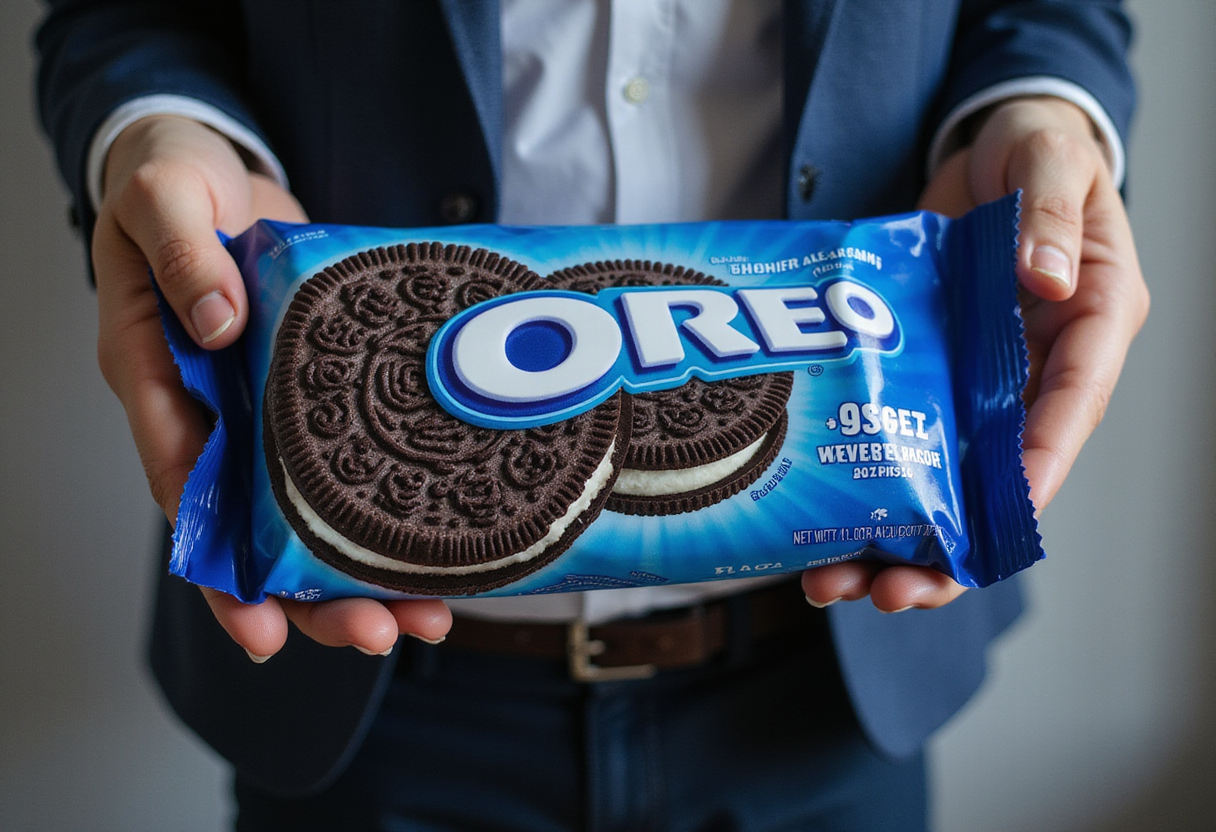
Mondelez International, the company behind Oreo, will deploy a new generative AI tool to reduce its marketing costs, Reuters reports.
The headline claim is short on arithmetic. Neither Mondelez nor the report puts a figure on the expected savings, names the tool's vendor, or sets a launch date. What we know is the direction of travel: one of the world's largest snack marketers wants machines to do more of the work that agencies and creative teams bill for.
What do we actually know?
- Mondelez, maker of Oreo, plans to use a generative AI tool for marketing.
- The stated goal is to cut marketing costs.
- The company has not disclosed the size of the savings target, the supplier of the technology, or a rollout timeline, according to the report.
That absence matters. Cost-cutting announcements without numbers are common; cost-cutting announcements with audited numbers are rare. Until Mondelez quantifies the target, the claim rests on intent, not results.
Why would a snack giant want this?
Food companies like Mondelez spend heavily on consumer marketing across dozens of brands and dozens of markets. Oreo alone supports year-round global campaigns. Generative AI promises cheaper and faster production of ad copy, images, and localized versions of creative work — the kind of high-volume, formulaic content where the economics of automation work best.
The promise is real but narrow. A tool that drafts a hundred localized banner variants cheaply is not the same as a tool that produces a campaign people remember. Marketing history is full of automation that lowered unit costs while lowering effectiveness at the same rate.
What is not said
Three gaps stand out in the announcement as reported.
First, no vendor is named. A homegrown tool and a licensed platform carry very different cost profiles and very different risks.
Second, no baseline spending figure appears. A cut is meaningless without knowing the size of the budget being cut.
Third, nothing in the report addresses how Mondelez will measure whether AI-generated content performs as well as human-made work. Cheaper advertising that sells fewer cookies is not a saving.
The wider signal
For the advertising industry, the move is a warning light. When a marketer of Mondelez's scale redirects even part of its creative spend toward generative tools, agencies and production houses face direct pricing pressure. Rival food companies will likely watch the results before following.
Mondelez is not the first big advertiser to chase AI savings, and it will not be the last. But every promise of this kind comes with the same caveat: the technology only pays if consumers keep buying what it helps sell.
The proof will arrive in the numbers Mondelez has yet to publish.
By Nathan Brooks, Mart Signal
via Google News — AI marketing regulation (Source)
More from Nathan Brooks
Show full bio
Correspondent covering regulation, policy and their impact on marketing professionals running AI in the stack at Mart Signal.
121 articles