Channel sheet · CH-24 · gain 2 min · logged October 8, 2026
AI MarketingDirect input
Suno Pulls Mary J. Blige Ad, Says Deal Came From Fake Rep
Suno pulled an 85-second Mary J. Blige ad after admitting the deal came from someone who falsely claimed to represent the singer, who never authorized the campaign.
By Nathan Brooks2 min read467 words
Signal notes
- Suno pulled the 85-second Mary J. Blige ad after learning she never authorized the campaign.
- Suno says it signed the deal with someone who falsely claimed to be Blige's official representative.
- The ad ran alongside the rollout of Suno Studio 2.0.
- Jason Isbell and other musicians filed a proposed class-action lawsuit against Suno earlier this week.
- Suno also faces separate copyright litigation over its training data.
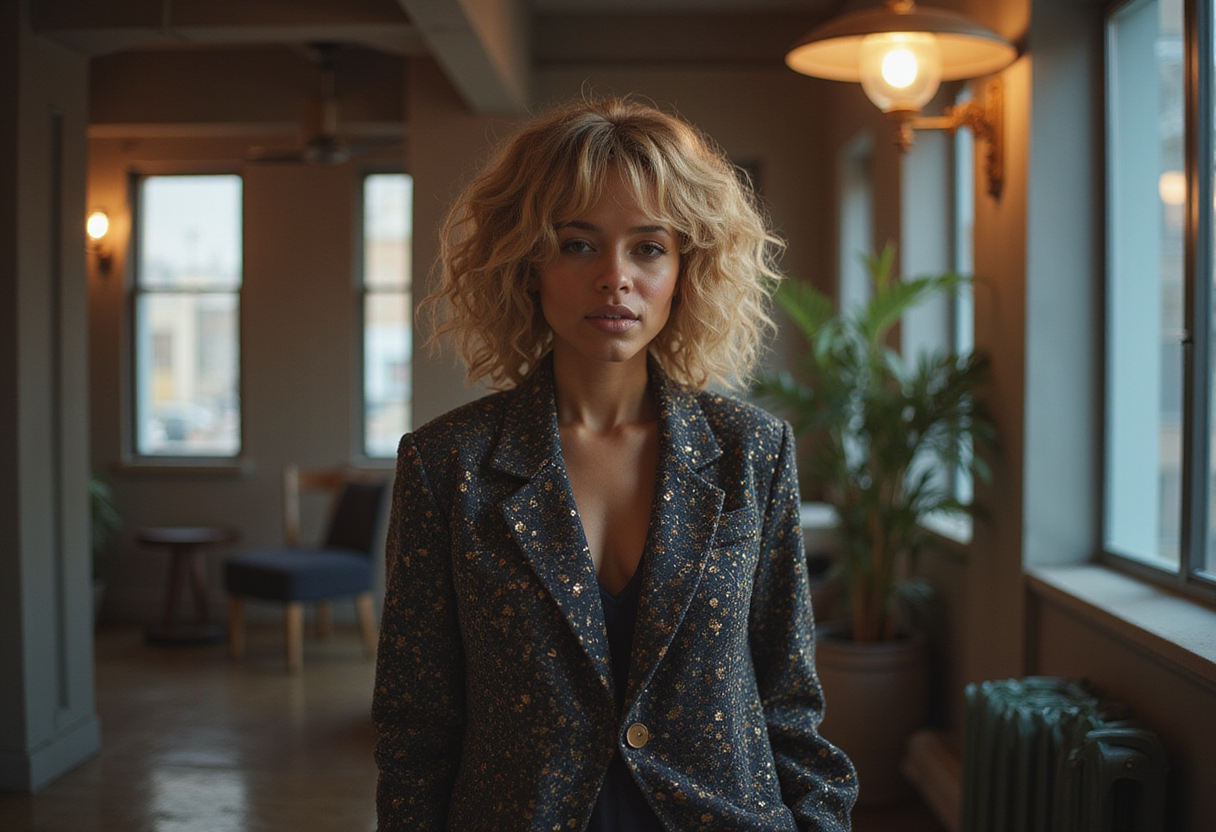
Suno has pulled an 85-second advertisement featuring Mary J. Blige after admitting the singer never authorized the campaign. The AI music company says it signed the deal with someone who falsely claimed to represent her.
The spot began circulating online over the weekend. It showed Blige sitting in a studio while a producer demonstrated Suno's generative AI tools, building a track called "Pretty Flowers" in the style of her classic R&B sound. Blige suggested adding strings and a beat, then reacted positively to the result. Shorter edits spread quickly across social media, drawing backlash from fans who assumed the Queen of Hip-Hop Soul was endorsing generative AI in music.
What does Suno say happened?
The company says it arranged the campaign through an impostor, and terminated it as soon as it learned the truth.
"We entered into a business deal with someone who presented themselves as Ms. Blige's official representative," Suno said in a statement to Variety. "As soon as we learned this was not the case, and that Ms. Blige was uncomfortable, we terminated the advertising campaign."
A representative for Blige declined to comment further. Questions remain.
Blige clearly participated in the filmed studio session — she appears on camera, offers production suggestions and reacts to the output. But Suno's statement indicates she never approved the resulting advertising campaign. The company has not named the person who allegedly misrepresented themselves, nor explained how the deal advanced far enough for the ad to be filmed and distributed.
Why was the timing so bad?
The video's release coincided with the rollout of Suno Studio 2.0, the company's latest suite of AI music-making tools.
Blige's appearance was striking given the ongoing split among musicians over generative AI. Dr. Dre recently expressed support for using AI to create music. Daft Punk's Thomas Bangalter took the opposite view, calling AI a shortcut that can stunt the creative process.
Suno also faces considerably bigger problems over artist consent. Earlier this week, Jason Isbell and several other musicians filed a proposed class-action lawsuit against the company, alleging it exploits musicians' identities without permission to generate songs associated with their styles. Suno denies the allegations, saying its platform creates original music and blocks prompts for specific artists' names and copyrighted songs.
The company separately faces copyright litigation from music rights holders over material allegedly used to train its models.
Launching an ad campaign with an artist who apparently never approved it, in that context, ranks as spectacularly bad timing.
What happens now?
No further details have emerged on who brokered the fake deal. Blige's camp is not elaborating. The ad is off the air, and Suno has moved on to managing two active legal fronts while pitching Suno Studio 2.0.
via consequence.net (Original)
More from Nathan Brooks
Show full bio
Correspondent covering marketplaces and e-commerce at Mart Signal.
29 articles