Channel sheet · CH-32 · gain 4 min · logged November 7, 2026
Social & Influencer AIDirect input
Skincare Brand BodyBlendz Accused of Running AI-Edited Copies of Rivals' Ads
BodyBlendz stands accused of running AI-edited copies of rival brands' ads. A photographer says 70-80 per cent of her image survived; nobody could afford to sue.
By Nathan Brooks4 min read771 words
Signal notes
- Photographer Lucy Alcorn alleges BodyBlendz ran images that were 70-80 per cent her original work for Luna Bronze.
- A single Luna Bronze photoshoot costs $30,000 to $50,000.
- Neither accuser pursued legal action because costs exceeded likely compensation.
- Australia is developing a national AI framework; a leaked proposal has raised copyright concerns.
- BodyBlendz removed the posts and apologised privately, but has not responded to ABC requests for comment.
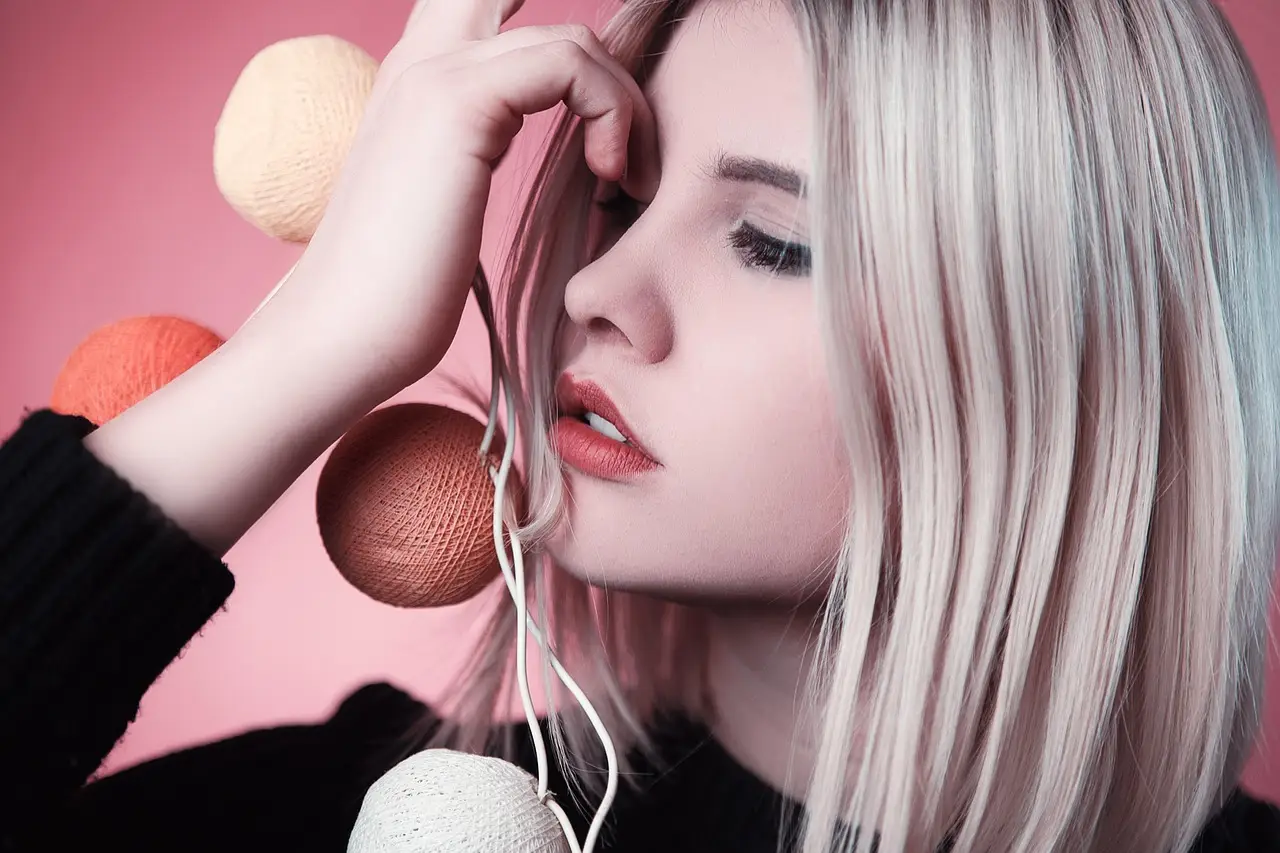
A single photoshoot costs the small skincare brand Luna Bronze $30,000 to $50,000. According to its co-founder, BodyBlendz — a brand once promoted by Kim Kardashian on Instagram — skipped that investment and ran what looked like edited versions of the results. That is the accusation at the centre of an ABC News Breakfast investigation, and it raises an uncomfortable question about what copyright is worth when enforcement costs more than the harm.
What exactly is BodyBlendz accused of?
Sydney photographer Lucy Alcorn alleges that several promotional images on BodyBlendz's Instagram account were copied from photographs she shot for Luna Bronze, possibly with AI tools. One detail stands out in her account: the model's face appears shifted, but the underlying image remained recognisably hers.
"You can see that it's 70 to 80 per cent my original image," Ms Alcorn said. "I don't think it would be worth the retoucher's time to do that."
Her reaction goes beyond one disputed campaign. "My whole body of work that's online suddenly feels so vulnerable. What would stop anyone else from doing that? It's very scary," she said.
BodyBlendz has not responded to multiple requests for comment from ABC News Breakfast. The company has removed the images in question. Removal, it should be noted, is not the same as an explanation of how the images came to appear in the first place.
Who else has made claims?
The Luna Bronze case is not isolated. Three separate accusations emerge from the investigation:
- Tash Hagan, founder of UK sunscreen brand Stil Suncare, said a BodyBlendz post appeared to include an AI-generated face with an "uncanny resemblance" to her own. She said she was "genuinely mind-blown".
- An Australian reality TV star claimed BodyBlendz used their picture without consent.
- BodyBlendz was previously accused of using an image of Married At First Sight participant Martha Kalifatidis without consent in a stockist's 2019 advertising brochure. ABC has contacted Ms Kalifatidis for comment.
After Ms Hagan raised her concerns publicly on social media, BodyBlendz removed the post and several others, including the one allegedly copying Ms Alcorn's work. She said the brand never responded to her publicly.
The brand did respond once, privately. After Ms Hagan's friend sent a direct message on Instagram, BodyBlendz's team said it had been unaware and was "genuinely sorry imagery from your friend's original post appears to have been used". The message added that the brand respected the creative work involved and would speak to its marketing team to prevent a recurrence. A private apology after public exposure is a limited remedy — and it came only after the posts had already run.
Why did no one sue?
Neither Ms Alcorn nor Ms Hagan pursued legal action. Both said the cost of a case outweighed any likely compensation — the arithmetic that defines this problem for every sole trader and small brand facing a larger competitor.
Ms Alcorn wants Australia to establish a small claims court for cases driven by the surge in AI-generated content. University of Melbourne Associate Professor of Law Jason Bosland backs the idea. "With a range of different courses of action, such as copyright and even defamation, it would be good to have simplified mechanisms by which those rights could be enforced," he said.
What is the government doing?
Prime Minister Anthony Albanese's government is positioning Australia as a world leader in AI safeguards, with a national framework intended to tackle copyright issues. A leaked proposal, however, has sparked concern that the government may be considering changes that weaken existing copyright protections. A spokesperson for Attorney-General Michelle Rowland said the government was "continuing to consult with creators, media organisations and AI companies on a range of options to ensure any future copyright changes deliver meaningful control and fair compensation".
Consultation, of course, is not a decision — and the spokesperson's phrasing leaves the outcome open.
Ms Balderson raises a separate consumer question: whether AI-generated imagery misleads buyers of beauty products. "If you can stand behind your product and it does what you say it does, then you should be able to use real models," she said.
Ms Alcorn's concern is simpler and harsher. Every shoot involves a full team — prep, design, makeup, hair, stylists, set designers, post-production — and AI, in her words, is "kind of a slap in the face to our whole industry".
One deleted Instagram post does not settle who edited what, or how. It does show what a $50,000 shoot looks like when someone else allegedly takes it for free.
via Google News — AI marketing regulation (Source)
More from Nathan Brooks
Show full bio
Correspondent covering regulation, policy and their impact on marketing professionals running AI in the stack at Mart Signal.
144 articles
Bus out
- Deepfake Ads Are Undermining Influencer Trust, Report Finds
- Virtual Influencer With 400,000 Followers Lands Major Brand Deals
- AI Influencers Are Selling Products Online and Nobody Has to Tell You
- BBB Warns Shoppers About AI Influencers and Hidden Paid Posts
- Korea to Mandate Labels on AI-Generated Content