Channel sheet · CH-24 · gain 3 min · logged October 10, 2026
Social & Influencer AIDirect input
BBB Warns Shoppers About AI Influencers and Hidden Paid Posts
The Better Business Bureau has issued a warning about two related social media problems: AI-generated fake influencers and paid endorsements that creators fail to disclose to viewers.
By Elena Vasquez3 min read551 words
Signal notes
- The Better Business Bureau issued a warning about AI-generated influencers and undisclosed paid endorsements on social media.
- The alert was reported by KOMO News in Seattle and distributed through the bureau's regional offices.
- The FTC's Endorsement Guides require creators to disclose material connections with brands using clear language such as #ad or #sponsored.
- The bureau did not release specific complaint numbers in the alert.
- Consumers can report suspicious accounts to the platform, the FTC, or the BBB Scam Tracker.
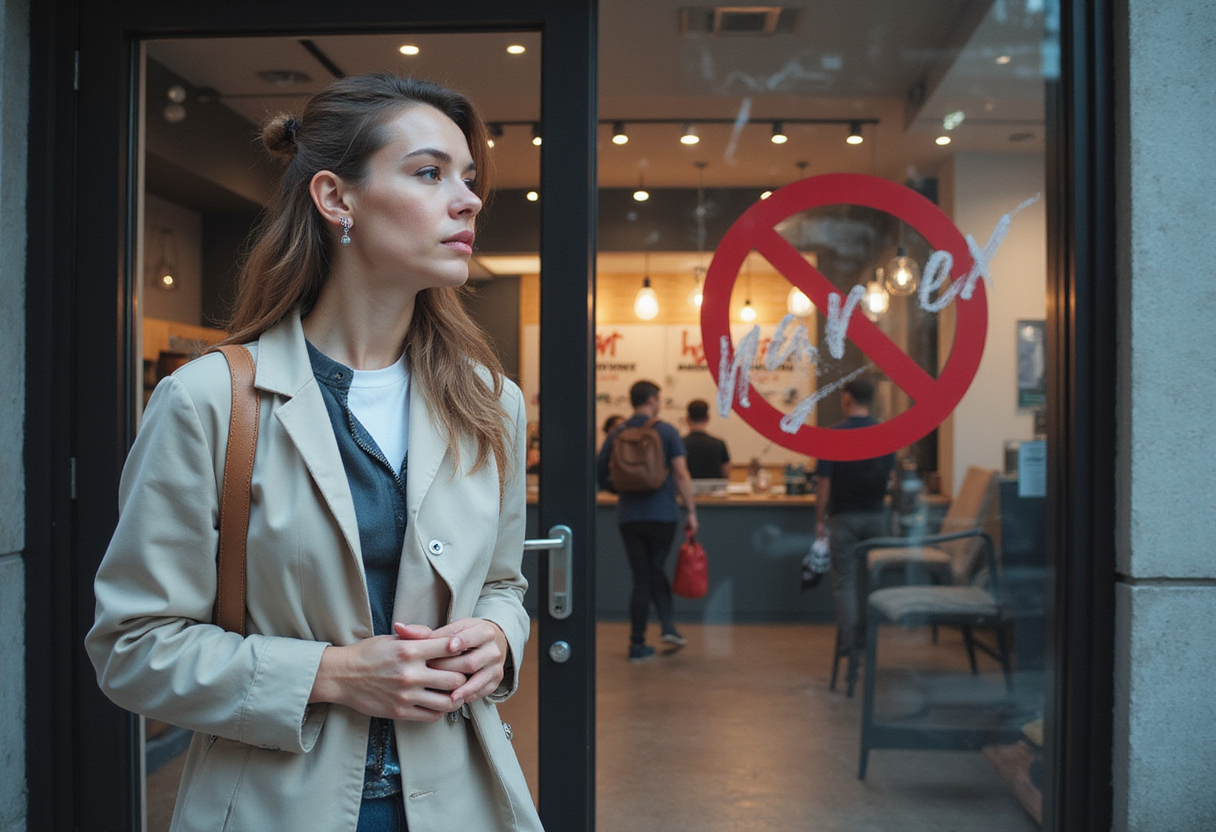
The Better Business Bureau has issued a warning about two related social media problems: AI-generated fake influencers and paid endorsements that creators fail to disclose.
The alert, distributed through the bureau's regional offices and reported by KOMO News in Seattle, asks buyers to be more skeptical of unfamiliar accounts pushing products online.
What is the bureau flagging?
The bureau is treating AI-generated influencer accounts and undisclosed endorsements as one risk category. Both mislead consumers about the source of a product recommendation.
Profile photos, captions, voice clips, and even livestream reactions can now be produced without a real person appearing on camera. A buyer who believes they are purchasing based on a real review may instead be responding to a campaign run by an operator managing multiple persona accounts at once.
The technical barrier to running such an operation has dropped sharply as generative AI tools have become cheaper and easier to use.
Why does the disclosure issue matter?
Paid endorsements are supposed to be clearly labeled so viewers know a brand has compensated the creator. The FTC's Endorsement Guides require creators to use plain language such as #ad or #sponsored when they have a material relationship with a brand.
The bureau notes that many paid posts instead use vague tags such as #collab, #partner, or #thanks, or bury the disclosure behind a "see more" link that most users never expand. Sponsored content then looks identical to a personal recommendation, leaving buyers unable to tell the difference.
How are buyers supposed to respond?
The bureau is asking consumers to slow down before purchasing from an unfamiliar social media account. Standard advice for this category of scam includes verifying the account's history, checking for clear sponsorship language, and reading the comments for other buyers' complaints before sending money.
A reverse image search on a profile photo can also catch reused stock images or synthetic faces. Consumers who spot a problem can flag accounts to the platform operator and to the BBB for further investigation.
What does this mean for brands?
Marketers who purchase reach from AI persona accounts face reputational risk if the synthetic nature of the account becomes public. They also face regulatory exposure if sponsored posts do not carry the disclosure language that federal guidelines require.
The bureau's warning places responsibility on both creators and the brands paying for endorsements. Brands that fail to verify the authenticity of influencer partners may be held accountable for misleading claims.
How widespread is the problem?
The bureau did not release complaint numbers in the alert. Marketing analysts have tracked rapid growth in the AI influencer market, with synthetic personas reaching audiences comparable to mid-tier human accounts on major platforms.
The pace of growth has outpaced platform moderation tools designed to catch undisclosed ads. Major platforms have added some AI-content labels, but enforcement remains inconsistent across regions and content formats.
Where can incidents be reported?
The bureau's standing advice is for consumers to flag suspicious accounts to the platform, file a complaint with the FTC, and submit a report through the BBB Scam Tracker.
The current alert is one of several the bureau has issued about AI-driven fraud in recent months, alongside warnings about deepfake video calls and cloned voices used to impersonate family members.
via Google News — AI influencer marketing (Source)
More from Elena Vasquez
Bus out
- AI influencers amplify supplement ad compliance risks
- Deepfake Ads Are Undermining Influencer Trust, Report Finds
- IAB Updates AI Disclosure Guidance as Regulators Tighten Ad Rules
- AI Disclosure Rules: What State Laws And Platform Policies Require
- AI Influencers Now Sell Clothes, Skincare, and Fitness Plans