Channel sheet
Automation & AgentsDirect input
Meta's Muse lands in Australia with nine commerce connector partners
Meta's Muse reached Australia on November 17 with nine named connector partners, from MECCA to Ticketek, but no usage or conversion data for local merchants.
By Elena Vasquez4 min read873 words
Signal notes
- Meta opened Muse to Australia on November 17, naming nine connector partners across six consumer categories.
- Muse in Australia runs on iOS, Android, the web and a Mac app, with connector functionality arriving progressively.
- No Australia-specific usage, referral, transaction or conversion-uplift figures were published, and partner commercial terms were not disclosed.
- Will Easton, Meta's managing director for Australia and New Zealand, said users approve purchases before they happen.
- Meta's October Singapore expansion leaned on Shopee, Grab and Agoda; Australia adds property, retail, design, fitness and ticketing partners.
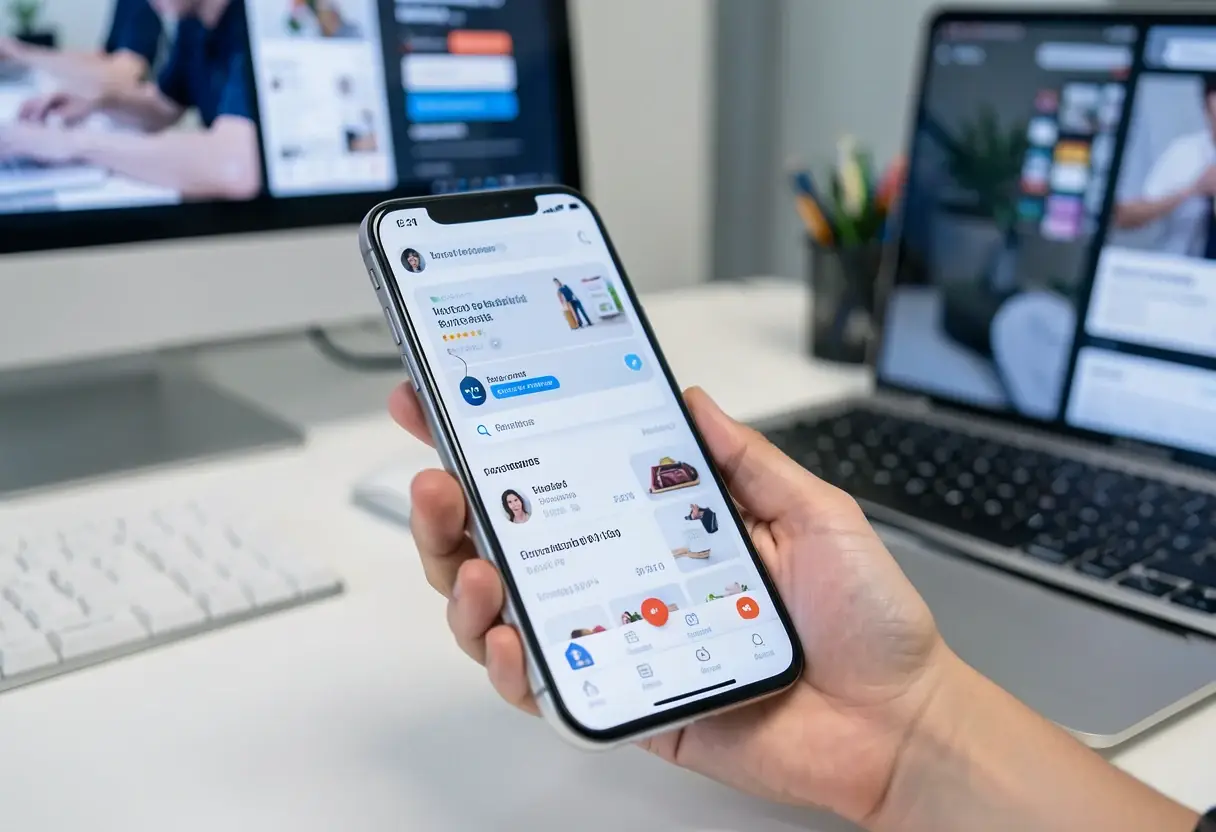
Meta opened Muse, its personal AI agent, to Australia on November 17, naming nine local connector partners across shopping, property, rewards, design, fitness and ticketing. The same announcement published no usage, referral or conversion figures for the country.
What did Meta actually ship in Australia?
Muse is not a search box that answers and stops. Meta describes it as a personal agent that works across connected apps and services, taking actions on a user's behalf. Australians can reach it on iOS, Android, the web and a Mac app. Stated uses include coordinating schedules, researching products, creating designs and preparing purchases.
Connector functionality will arrive progressively, a qualification that sits awkwardly beside nine partner names on launch day.
A working agent on four platforms, with a rollout that starts thin.
Who are the nine named partners?
| Consumer task | Named partners | Disclosed intended use |
|---|---|---|
| Design | Canva | Create visuals and content |
| Property | Domain, realestate.com.au | Explore property listings |
| Retail shopping | Kogan, MECCA, Officeworks | Explore electronics, beauty and supplies |
| Rewards and comparison | ShopBack | Compare prices and cashback offers |
| Entertainment | Ticketek | Find and buy tickets |
| Fitness | SWEAT | Work toward fitness goals |
Meta also describes connections to services such as Gmail, Google Calendar and OpenTable. Some established global commerce infrastructure, including Shopify and Shop Pay, forms part of the broader Muse proposition.
The commercial weight sits less in the size of the roster than in its spread. Someone hunting for a home, a beauty product, an appliance or an event ticket could eventually open with a stated need rather than a chosen retailer app.
Why does a connector matter more than a mention?
An agent can know a product exists without holding the integration or the permission to act on it. For retailers, that separates being named in an answer from being usable in a workflow. A shopper building a beauty routine might get product information from several sources; an authorised MECCA connection could instead let the assistant navigate the retailer's own selection. Neither path guarantees preference or conversion.
Property sharpens the point. Domain and realestate.com.au are not interchangeable with an abstract paragraph about housing, because listings carry location, availability and other details that need to be current. Jonathan Swift, chief product officer at REA Group, said the connection is intended to surface accurate, up-to-date property listings. In that category, service integration and reliable data are one proposition, not two.
Australia also differs from Meta's October Singapore expansion, which leaned on Shopee, Grab, Agoda and regional travel providers. This roster adds property, local retail, design, fitness and ticketing. Nothing newly invented; different local distribution.
Being useful to a shopper and being visible to a merchant inside the agent are not the same thing. They depend on overlapping, not identical, systems.
What has the launch not proven?
The release establishes which relationships Meta has named. It does not say how many Australians have used the agent, how often it selects a given brand, or what share of purchases it completes. There are no Australia-specific usage figures, referral volumes, transaction values or conversion-uplift numbers for participating merchants, and Meta did not disclose commercial terms with any partner.
Will Easton, Meta's managing director for Australia and New Zealand, said that "people stay in control, including choosing what Muse can access and approving purchases before they happen." That is a design commitment from the company, not independent proof of a frictionless checkout.
Before that final approval, an agent could shortlist products, assemble a comparison or stage a booking while the customer authorises the spend. Last-click reporting will not describe that assistance cleanly, and the announcement supplies no measured evidence that attribution has shifted.
Headlines about AI replacing search remain headlines. Evidence is the missing ingredient.
What should marketers check now?
- Map local connector availability. A service named in Australia may not offer the same functionality as its Singapore counterpart. Document what works today and what Meta says is still rolling out.
- Check merchant data accuracy. For Kogan or MECCA, the usefulness of an answer depends on correct products, prices and availability. Review existing product feeds without assuming control over recommendations.
- Separate discovery from completion. A product recommendation, a generated shopping list and an approved payment are three distinct events. Keep them apart in measurement until a reporting method exists.
- Keep customer authorisation visible. Users decide what Muse can access and approve purchases. Brand experiences should account for the customer's decision rather than describe preparation as an autonomous sale.
The deeper shift runs from competing for a result on a screen to being useful across a sequence of actions. Search visibility still matters, but it cannot tell you whether an assistant can reach a merchant's inventory or service.
What is the honest verdict?
Meta has built a concrete distribution experiment with named participants and a public rollout plan, not a new agent and not a new model. AI distribution can also turn regional before it turns uniform, since local partners, product coverage and service permissions shape the journey as much as the agent's underlying capability.
For now, Muse in Australia is a test with a roster attached. Its value as a marketing channel depends on numbers nobody has published.
via contentgrip.com (Source)
More from Elena Vasquez
Show full bio
Market editor covering money, funding and market shifts around marketing professionals running AI in the stack at Mart Signal.
142 articles