Channel sheet · CH-22 · gain 2 min · logged September 29, 2026
Generative CreativeDirect input
McDonald's Netherlands Pulls AI-Made Ad After Backlash Questions
McDonald's Netherlands withdrew a generative AI advertisement, reopening the debate on whether iconic brands can risk AI-made creative without diluting identity.
By Marcus Bennett2 min read424 words
Signal notes
- McDonald's Netherlands pulled an ad created with generative AI, Marketing-Interactive reports.
- The withdrawal raises the question of whether the market accepts generative creative from iconic brands.
- Details on the tool, the ad content, and corporate response remain unconfirmed in the report.
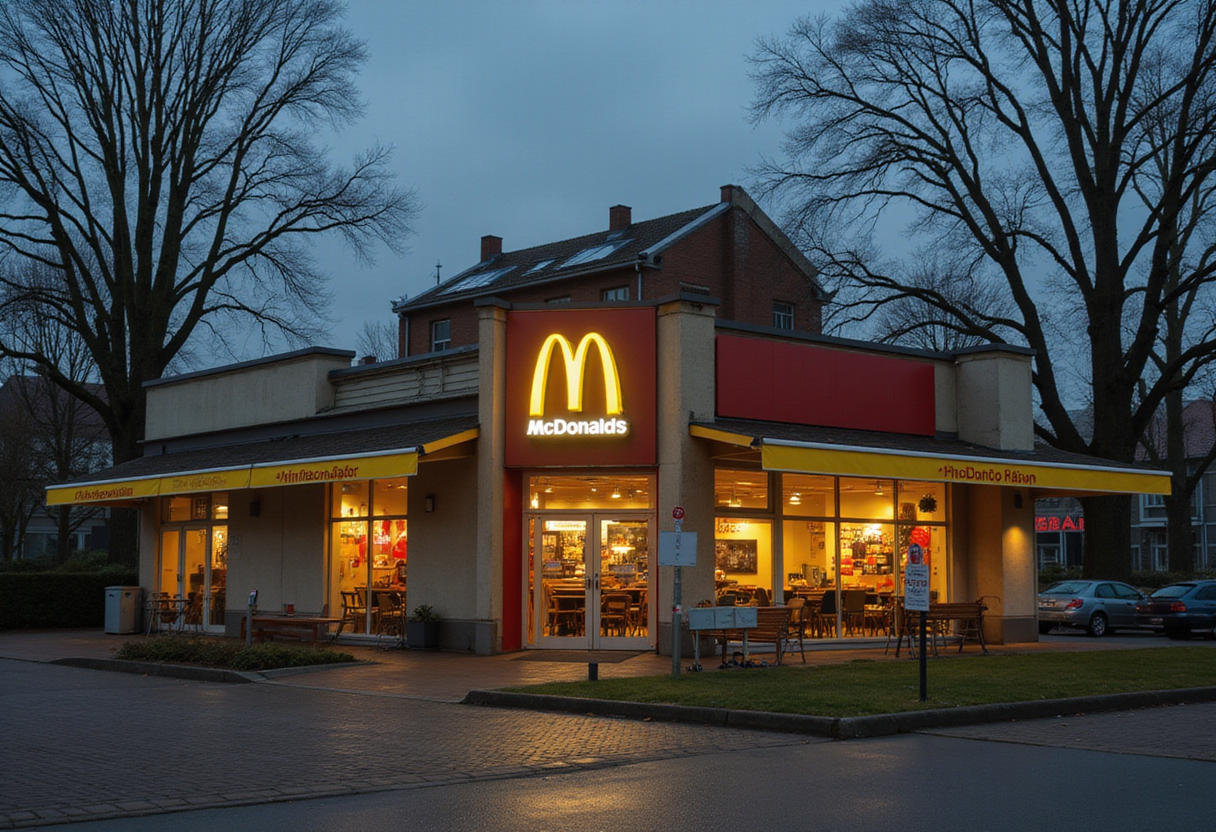
McDonald's Netherlands has pulled an advertisement created with generative AI, Marketing-Interactive reports. The withdrawal has reignited a question that advertisers keep circling: can brands with deeply recognizable visual identities hand creative work to AI tools without damaging the asset?
The Dutch arm of the fast-food chain withdrew the ad after its AI-generated provenance drew attention, according to the report. The incident landed at a moment when major advertisers face pressure to cut production costs with generative tools while protecting brand identities built over decades.
McDonald's sits in a specific category here. Its golden arches, red-and-yellow palette, and typographic conventions function as trademarks in practice, not just in law. Any creative output that deviates from those conventions — or that visibly carries the telltale artifacts of generative imagery — risks diluting what the brand spends heavily to maintain.
The pulled ad is the latest data point in an unsettled market. Marketing-Interactive frames the central question directly in its headline: is the market ready for iconic brands to go generative? The answer, at least in the Netherlands this week, appears to be no — or at least not yet, and not for every execution.
That does not mean the sector is retreating. Advertisers across categories continue testing generative AI for versioning, localization, and background production work, where the stakes for brand dilution run lower. The friction shows up when the technology produces consumer-facing hero creative for brands whose look is instantly recognizable.
For operators and agencies tracking this space, the McDonald's Netherlands case adds a concrete precedent: a global brand's local unit tested generative creative, and then withdrew it. What the report does not establish is which specific tool produced the ad, what the ad depicted, or how McDonald's corporate headquarters responded. Those details remain unconfirmed.
The practical takeaway for marketers sits in the risk calculus. Generative production can reduce cost and cycle time, but a withdrawal carries its own cost — in media spend already committed, in internal review time, and in coverage that frames the brand as a cautionary tale.
McDonald's has not, per the available report, announced a formal policy shift on generative creative. The pull reflects one market, one execution, one decision.
Still, the question in the headline will keep recurring. Iconic brands trade on consistency. Generative models trade on variation. Until that tension resolves — through better brand-trained models, stricter review pipelines, or clearer consumer tolerance — more incidents like this one are likely.
For now, the scoreboard reads: ad pulled, debate reopened.
via Google News — Generative AI advertising campaigns (Source)
More from Marcus Bennett
Show full bio
Senior reporter covering media and advertising at Mart Signal.
21 articles