Channel sheet · CH-10 · gain 2 min · logged October 10, 2026
Generative CreativeDirect input
Jeep Turns to AI-Generated Talking Animals in New Ads
Jeep is running a new ad campaign built around AI-generated surreal talking animals, making the machine-made aesthetic a deliberate part of its marketing.
By Nathan Brooks2 min read424 words
Signal notes
- Jeep's latest ad campaign uses AI-generated surreal talking animals as its creative centerpiece.
- The campaign makes the artificial look of generative AI a deliberate selling point rather than hiding it.
- USA Today first reported the campaign; Jeep has not disclosed media spend or production partners.
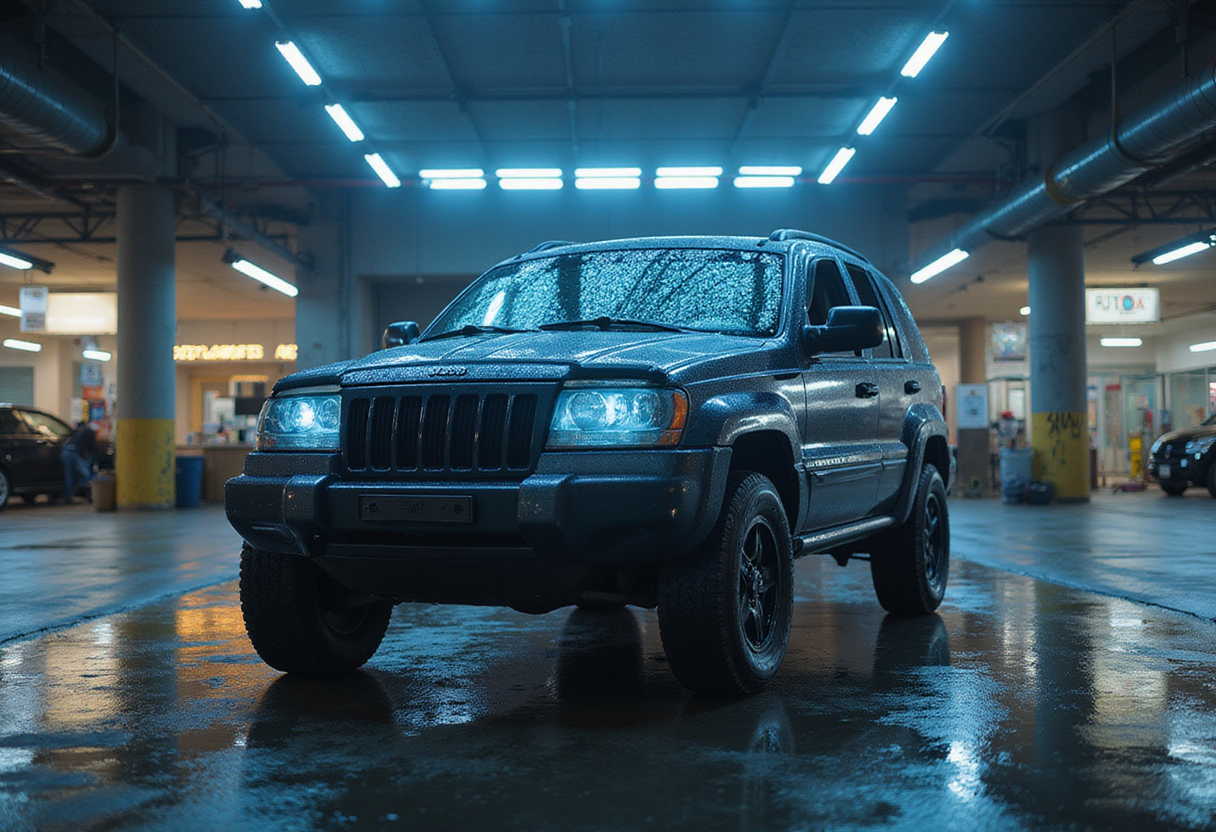
Jeep has put artificial intelligence at the center of its latest advertising push, running spots that feature surreal talking animals generated with AI tools.
The campaign, reported by USA Today, marks a notable shift for the Stellantis brand: rather than treating AI as a behind-the-scenes production shortcut, Jeep puts the technology's signature visual oddity front and center.
What do the ads actually show?
The centerpiece is a set of surreal animal characters — creatures that talk, and that plainly do not exist outside of a generative model's output. The ads lean into that strangeness rather than hiding it.
Details on the full spot list, media spend, and production partners were not disclosed in the initial report. What is confirmed is the creative direction: AI-generated talking animals, used deliberately for their uncanny effect.
Why does an automaker want AI-generated animals?
Automakers have experimented with AI in advertising for a couple of years, mostly for cost control and rapid asset production. Jeep's approach is different in one respect: the artificiality is the selling point, not a defect to be smoothed over.
Surreal, AI-flavored visuals cut through a crowded SUV market where conventional spots — roads, mountains, families — blur together. A talking animal that looks machine-made gets watched, and watched ads are the only ones that pay for themselves.
The risk is equally plain. AI-generated content draws criticism when it displaces creative workers or lands poorly with audiences who associate the look with cheap output. Jeep is betting the surreal angle reads as intentional craft rather than corner-cutting.
Who else is doing this?
Jeep is not alone among major advertisers testing generative AI in consumer-facing creative. Brands across categories have run AI-assisted or fully AI-generated spots, and the technology has moved from experimental to routine in under three years.
What separates campaigns like Jeep's is the choice to make the AI aesthetic visible. Most advertisers still use generative tools invisibly — backgrounds, product variations, localization. Jeep names its approach in the reporting itself, which is the point.
What comes next?
Expect more of this. Generative video tools now produce talking, animated characters at a fraction of traditional CGI cost, and turnaround times run in days rather than months. For a brand refreshing multiple nameplates across markets, that economics case is hard to ignore.
For now, Jeep has not published performance figures for the campaign. The talking animals are the story — whether they move metal is the question the next quarterly results will have to answer.
via Google News — Generative AI advertising campaigns (Source)
More from Nathan Brooks
Show full bio
Correspondent covering marketplaces and e-commerce at Mart Signal.
93 articles
Bus out
- Samsung Runs Social Campaign Showing Different Levels of AI Content
- Carro Launches Generative AI Ad Campaign for Car-Selling Push
- Svedka Brings Back Fembot in Super Bowl's First Fully AI-Generated Ad
- AI-Generated Restaurant Ads Arrive, Restaurant Business Reports
- Marketing Brew flags brands using genAI to mock genAI hype