Channel sheet · CH-30 · gain 2 min · logged October 15, 2026
Content & SEO in the AI EraDirect input
Google: AI-Generated Images Will Not Trigger Ranking Penalty
Google has stated that AI-generated images will not trigger a search ranking penalty, but the clarification leaves questions about detection and edge cases open.
By Nathan Brooks2 min read444 words
Signal notes
- Google says AI-generated images will not cause a ranking penalty
- Google's systems judge relevance and quality, not image production method
- The statement does not address detection, deceptive imagery, or AI text and video
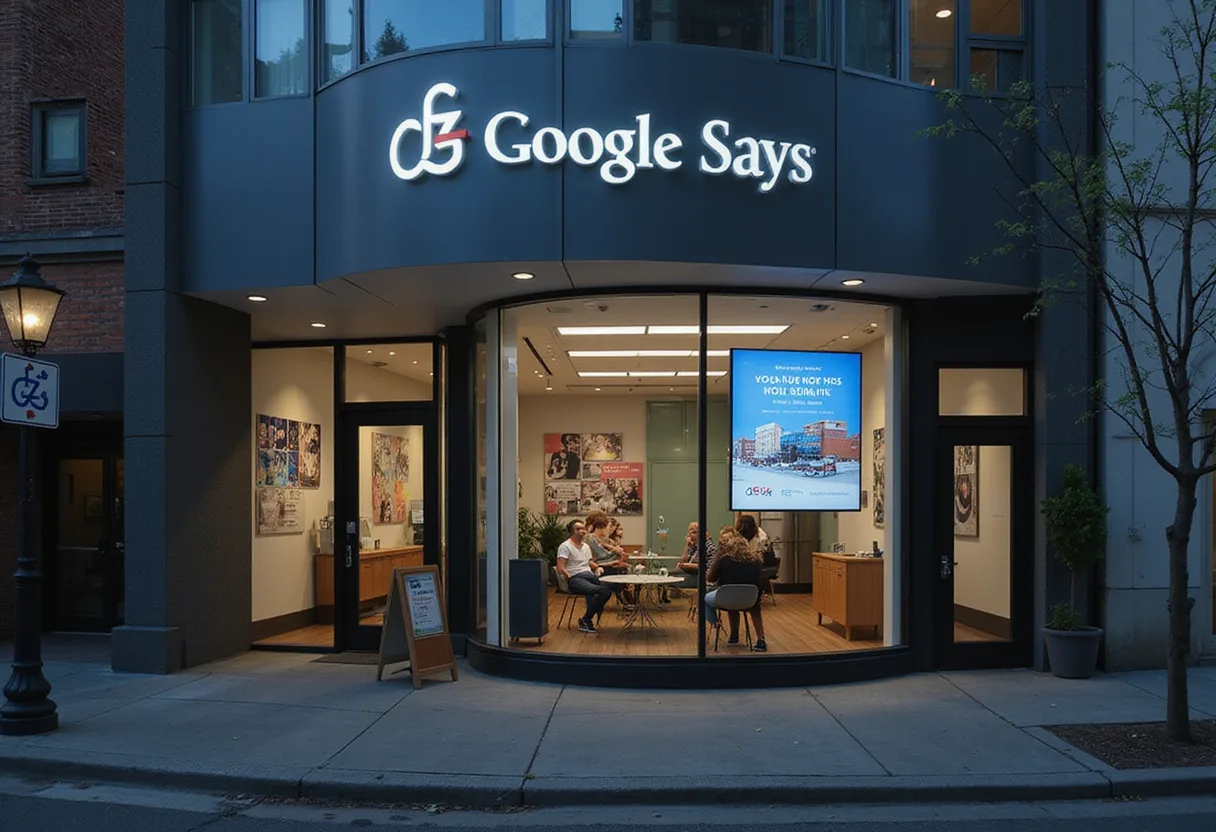
Google has stated that AI-generated images will not cause a ranking penalty, drawing a clear line between how an image was made and how Google's search systems treat it.
The statement, reported by Search Engine Journal, addresses one of the most common questions among publishers and site operators since generative image tools went mainstream: does artificial origin damage visibility in Search?
According to Google's position, it does not. The ranking systems do not penalize an image simply because software produced it rather than a photographer.
What does the statement actually change?
In practical terms, nothing new ships. Google has long maintained that its rankings reward relevance and quality, not production method. This statement restates that position for the specific case of AI-generated images.
For publishers, the implication is direct. A site using AI-generated visuals faces no automatic disadvantage against a site using stock photography or original shots — at least not on the basis of the image's origin.
That said, a caveat belongs here, as it does with every Google clarification. "No penalty for origin" is not the same as "all images rank equally." Google's systems still evaluate context: how an image relates to the page, how it serves the searcher, and whether the surrounding content meets quality thresholds.
An AI image on a thin page will not be rescued by this statement. A strong page will not be dragged down by an AI image.
What Google did not say
The statement, as summarized, leaves several operational questions open.
- It does not specify how Google's systems detect AI-generated images, or whether detection accuracy matters in practice.
- It does not address misleading or deceptive imagery, which falls under separate spam and content policies.
- It does not confirm whether AI origin plays any role at all in internal signals, only that it does not trigger a penalty.
- It does not cover AI-generated text or video, which remain separate conversations.
For editors weighing workflows, the safest reading is narrow: image origin alone will not sink rankings. Everything else — quality, context, relevance — still applies as before.
Who does this matter to?
The audience is broad. News publishers, e-commerce catalogs, travel sites, and independent bloggers have all leaned heavily on generative image tools to cut production costs. A penalty on AI origin would have forced a costly reversal.
This statement removes that risk on paper. Whether it holds under every edge case — mass-generated image farms, for instance — is a question Google has not answered here.
The bottom line
Google says the tool that made the image does not matter; what the image does for the searcher still does.
via Google News — AI content and SEO (Source)
More from Nathan Brooks
Show full bio
Correspondent covering regulation, policy and their impact on marketing professionals running AI in the stack at Mart Signal.
129 articles