Channel sheet · CH-01 · gain 3 min · logged October 10, 2026
Automation & AgentsDirect input
DoubleVerify Turns Brand Safety 'Agentic' With Cognitive Engine
DoubleVerify announced agentic brand safety via its new "Cognitive Engine" on June 18, 2026, automating ad-placement decisions previously handled by static rules and human review.
By Nathan Brooks3 min read547 words
Signal notes
- DoubleVerify announced its "Cognitive Engine" deployment on June 18, 2026.
- The company branded its new brand-safety capability as "agentic."
- The system aims to automate brand-safety placement decisions end-to-end.
- No pricing, benchmarks, or named customers accompanied the initial announcement.
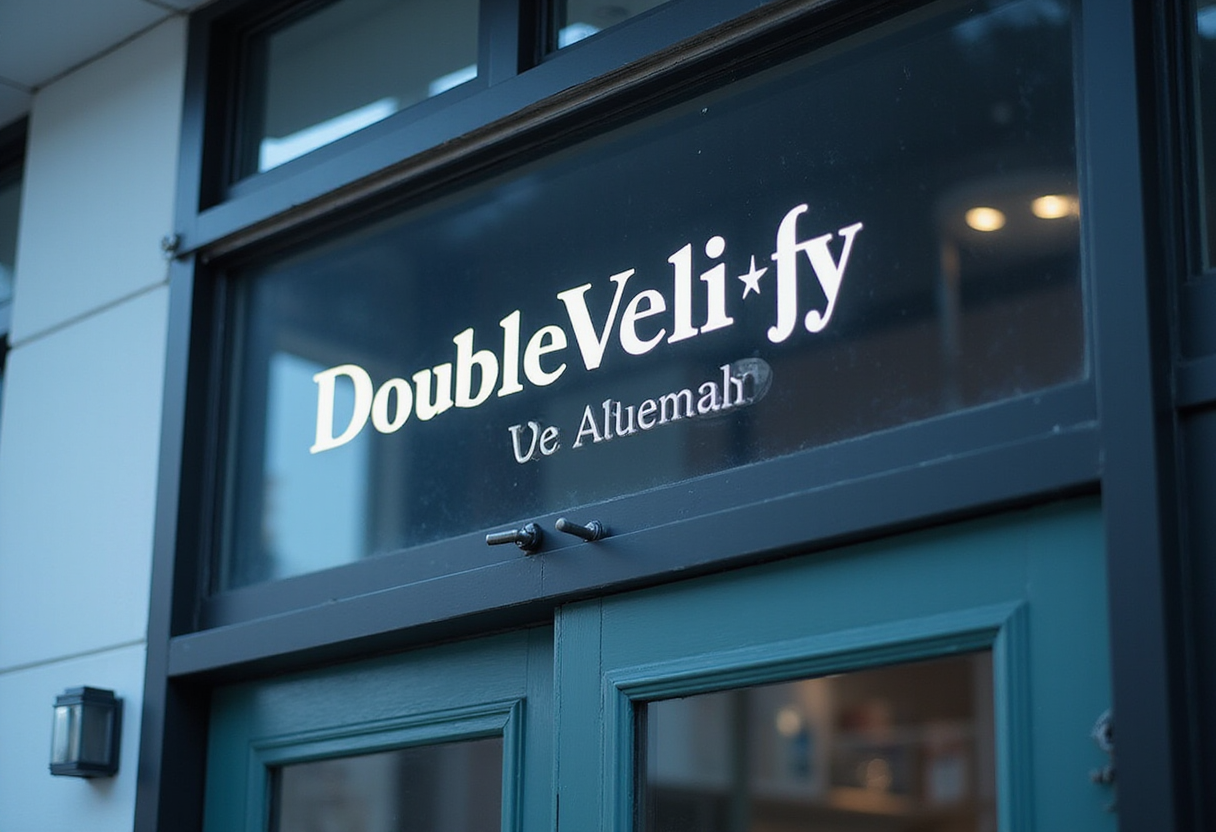
DoubleVerify has made its brand-safety tooling "agentic" and deployed what it calls a "Cognitive Engine," the ad-verification company announced on June 18, 2026, in a move that pushes automated decision-making deeper into where brands' ads are allowed to run.
The announcement, reported by MediaPost, signals a shift for one of the industry's largest independent verification providers. Instead of relying solely on pre-set category blocks and keyword lists, DoubleVerify is positioning its new system to evaluate and act on placement decisions with a higher degree of machine autonomy — the essence of what the trade now labels "agentic" AI.
What does "agentic" brand safety actually mean?
In practice, the term describes AI systems that do not just classify content — they act on it. For a verification vendor like DoubleVerify, that means the technology can take brand-safety decisions, such as blocking or allowing a placement, without a human reviewing every call.
DoubleVerify's core business remains measurement: the company verifies whether ads ran, whether they were viewable, and whether they appeared next to content that could damage an advertiser's reputation. The "Cognitive Engine" branding suggests the vendor wants that judgment layer to operate faster and at greater scale than human-moderated rules allow.
Whether the engine's decisions outperform traditional keyword and category filters is a question buyers will have to test. Verification vendors have marketed successive generations of AI brand-safety tools for years, and advertisers have learned to treat each new layer of automation with some scrutiny.
Who is this for?
DoubleVerify sells to advertisers, agencies, and platforms that need third-party confirmation that campaign environments are safe. Automation of the brand-safety decision layer targets the practical problem those buyers face: content volume across social video, user-generated content, and fast-moving news cycles outstrips what static blocklists can handle.
The June 18, 2026 announcement did not come with published performance benchmarks, pricing tiers, or named launch customers in the initial report. Those details typically determine whether an "agentic" label marks a genuine capability change or a rebranding of existing machine-learning classifiers.
Why the timing matters
The verification sector — dominated by DoubleVerify and its chief rival IAS, along with Oracle's former Moat business — has been racing to apply large-scale AI to brand safety since generative models made automated content classification cheaper and faster.
"Agentic" is the current trade buzzword for AI that executes tasks end-to-end. By attaching it to brand safety, DoubleVerify is betting that advertisers will accept machine autonomy in an area where a wrong call carries reputational cost.
For media buyers, the practical questions after this rollout are straightforward: How many decisions does the Cognitive Engine make without human review? What error rates does DoubleVerify report? And will the vendor stand behind wrong calls commercially?
None of those answers appear in the announcement coverage so far. Buyers evaluating the system should request transparency data before shifting brand-safety policy onto the new engine.
The bottom line
DoubleVerify deployed its "Cognitive Engine" and repositioned brand safety as agentic on June 18, 2026. The technology aims to automate placement decisions that humans and static rules previously handled. Verification claims, as always in this sector, deserve independent validation — especially when the machine is making the call.
via Google News — Brand safety and AI advertising (Source)
More from Nathan Brooks
Show full bio
Correspondent covering marketplaces and e-commerce at Mart Signal.
93 articles
Bus out
- DoubleVerify identifies AI slop as a brand safety problem for buyers
- IAS and DoubleVerify Back ChatGPT Ads With Verification
- IAS Ships First Independent Brand Safety Measurement for Meta Threads
- CreatorIQ Rolls Out SafeIQ, Claims First-Mover Status in Creator Brand Safety
- Marketers face new brand safety problem in AI video, Digiday says