Channel sheet · CH-23 · gain 2 min · logged October 10, 2026
Generative CreativeDirect input
Dollar Shave Club pushes generative AI into ad creative, Marketing Dive reports
Dollar Shave Club is using generative AI for ad creative, per a new Marketing Dive feature. The piece frames it as a creativity unlock, not a cost cut. Model vendor, cost and partner details sit behind the headline.
By Sophie Lindqvist2 min read398 words
Signal notes
- Marketing Dive published a feature titled 'How Dollar Shave Club uses generative AI to unlock advertising creativity.'
- No model vendor, cost figure or agency partner is named in the headline alone.
- Unilever acquired Dollar Shave Club in 2016 in a deal reported at roughly $1 billion.
- The piece frames the deployment as a creativity unlock rather than a cost-cutting exercise.
- Trade-press coverage of generative AI ad-creative deployments at consumer brands has accelerated through 2024 and 2025.
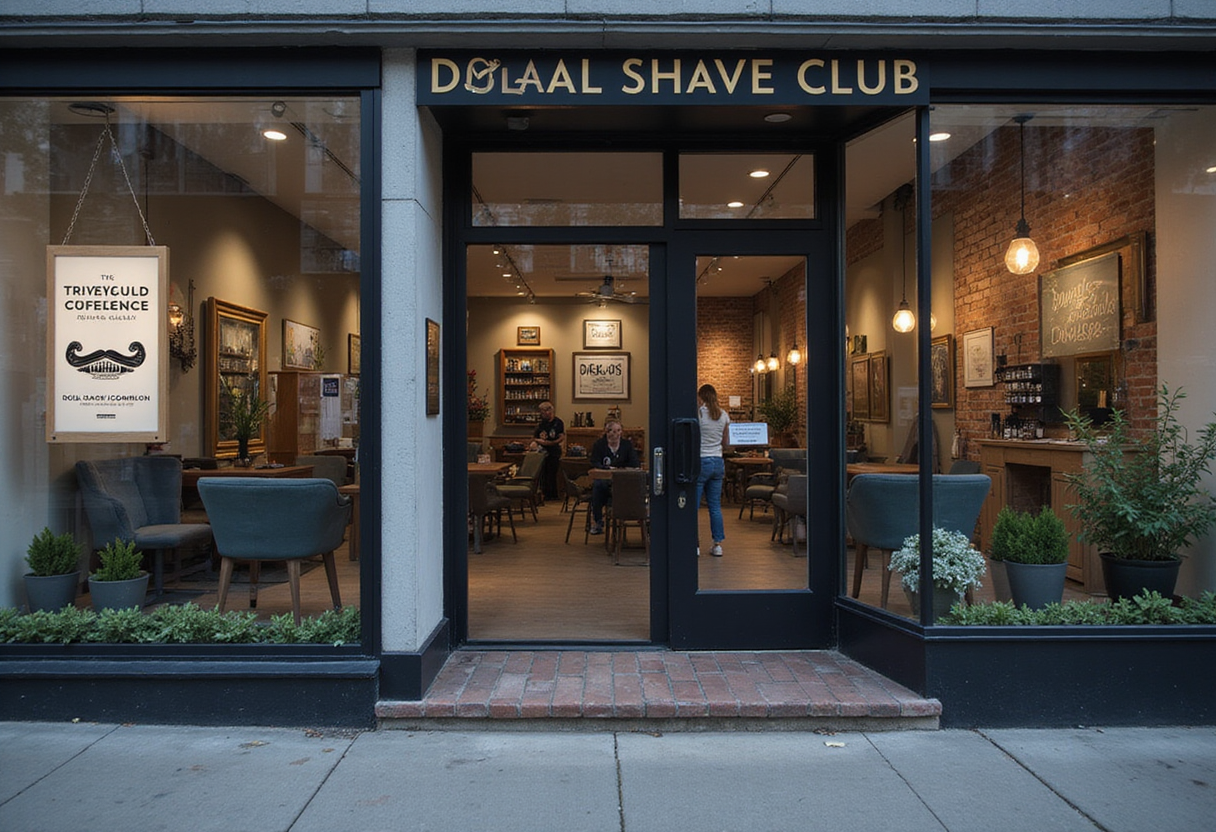
Marketing Dive has published a feature on Dollar Shave Club's use of generative AI to produce advertising creative, the latest data point in a year-long shift of consumer brands pulling the technology into frontline marketing work.
The piece, "How Dollar Shave Club uses generative AI to unlock advertising creativity," frames the deployment as a creativity unlock rather than a cost play. Marketing Dive — the trade publication read by brand marketers, agencies and ad-tech vendors — is the named source. No dollar figure, model vendor or agency partner is visible in the headline alone.
What does the headline tell us?
Two operational reads. First, Dollar Shave Club is treating generative AI as a creative co-pilot, not a replacement for agency output — that is the subtext of "unlock" rather than "replace." Second, the brand is willing to talk about it publicly, which puts peer brands on the clock. CPG marketing teams that have not yet named a public AI creative pilot now have one more reference point in the trade press.
Why are operators watching?
Dollar Shave Club was acquired by Unilever in 2016 in a deal reported at roughly $1 billion. The brand still ships razor subscriptions at a scale that sets a benchmark for the wider grooming and personal-care category. Any change in how it produces creative — the part of the funnel where most direct-to-consumer dollars get spent — moves category math.
Three things to look for in the full Marketing Dive piece:
- Model stack. Brand-owned fine-tune, third-party SaaS, or agency-built wrapper. Each path implies a different cost and IP posture.
- Throughput delta. How many creative variants per week now flow through the pipeline versus the legacy workflow.
- Human-in-the-loop rules. Where in the funnel humans still sign off, and which assets ship without manual review.
The wider pattern
Generative AI in ad creative is no longer a pilot conversation. Trade-press coverage across 2024 and 2025 has logged deployments at consumer brands in categories from CPG to telecom. The operational question for marketing leads has shifted from "should we test it" to "what is the production grade and what does it cost per shipped asset." Dollar Shave Club joining the public list makes that benchmark easier to set.
The full Marketing Dive piece will carry the specifics. Operators should pull it before the next planning cycle.
via Google News — Generative AI advertising campaigns (Source)
More from Sophie Lindqvist
Bus out
- Marketing Brew flags brands using genAI to mock genAI hype
- Marketing Dive asks why Coca-Cola keeps pushing generative AI limits
- AI-Generated Restaurant Ads Arrive, Restaurant Business Reports
- Coca-Cola Reignites AI Ad Debate With New Holiday Campaign
- Brands chase AI influencers, but humans get the bigger cheques