Channel sheet · CH-28 · gain 3 min · logged November 11, 2026
Generative CreativeDirect input
Adobe to Open Creative Cloud to Third-Party AI Agents
Adobe will preview third-party AI agents inside Photoshop, Illustrator, Premiere and After Effects before an early-2027 private beta, while expanding its own Creative Agent.
By Elena Vasquez3 min read661 words
Signal notes
- Adobe announced the third-party agent plan at Adobe MAX 2026 in Miami.
- A private beta for Photoshop, Illustrator, Premiere and After Effects is planned for early 2027.
- The integrations use Model Context Protocol to connect agents with external tools such as Google Docs and Slack.
- Creative Agent assistants are in beta in five named applications: Illustrator, Premiere, InDesign, After Effects and Frame.io.
- Premiere can apply effects across entire sequences and adjust color and exposure across multiple clips.
By Elena Vasquez
Adobe will preview third-party AI agents inside Photoshop, Illustrator, Premiere and After Effects ahead of a private beta in early 2027.
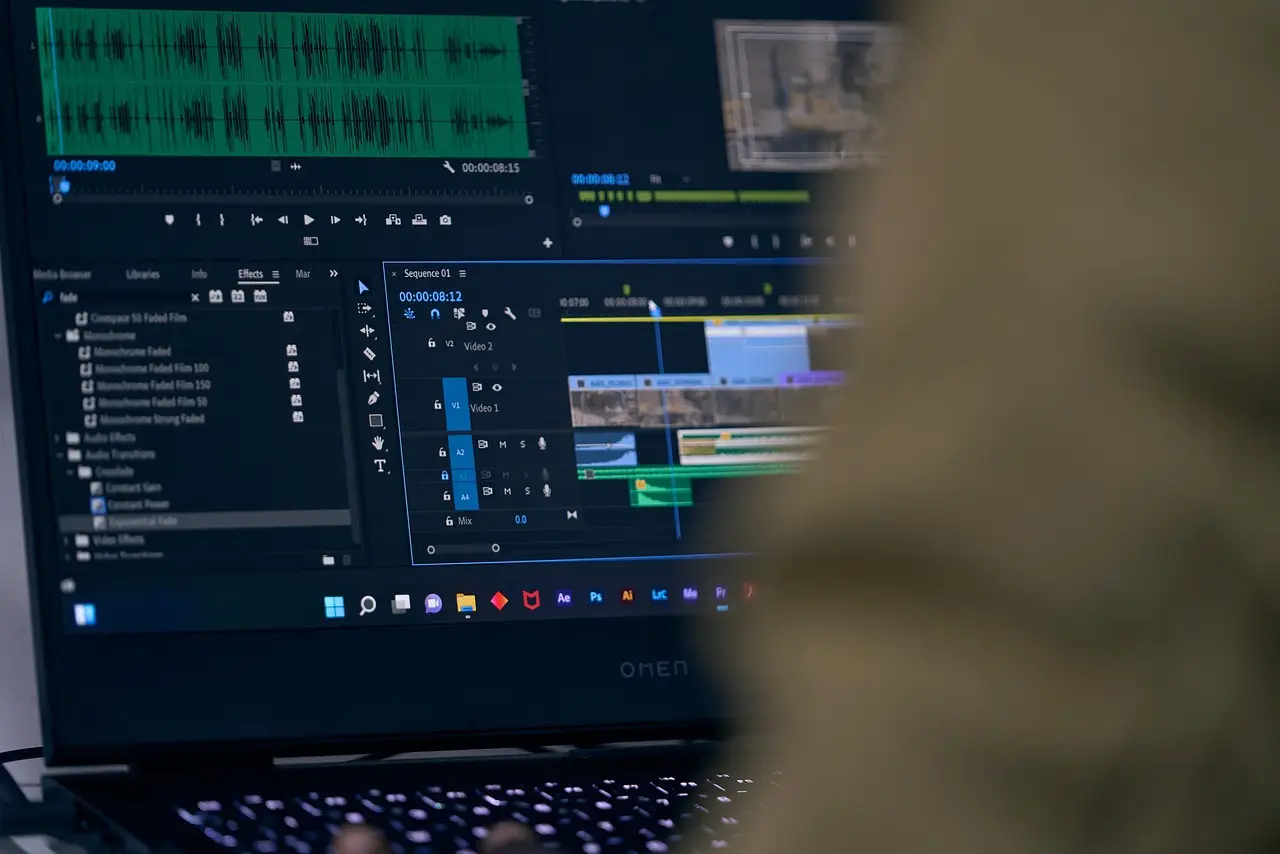
At Adobe MAX 2026 in Miami, Adobe said creative professionals could delegate work directly within those flagship applications by using their preferred agents to change native project files on their computers.
What will third-party agents do?
Adobe says the preview will preserve layers, vectors, sequences and other editable elements. Professionals can inspect the result and refine it rather than accept a sealed AI artifact. That distinction matters.
“The ideas, taste, style and vision that creative professionals bring to their work are what make their work stand out,” said Deepa Subramaniam, vice president, product marketing, Creative Cloud at Adobe. She said the developments aimed to give professionals more flexibility, streamline repetitive work and preserve control over the decisions that distinguish the result.
Takeaway: The agent edits the file, while the professional keeps the final say.
How will agents connect to other tools?
Adobe will use Model Context Protocol (MCP), an open standard that lets AI agents connect with external tools and services. In Adobe’s example, an agent can retrieve a creative brief from Google Docs, complete work in Adobe applications and share the result with colleagues through Slack.
The approach could join stages that now sit in separate services. For agencies and production teams, it may shift AI from generating individual images, videos or other assets toward connected tasks inside software the teams already use. People would retain creative direction and final approval.
Takeaway: MCP could connect the brief, the edit and the handoff in one workflow.
What can Adobe’s own Creative Agent do?
Adobe is also extending its own Creative Agent across Creative Cloud. The company has beta AI assistants in Illustrator, Premiere, InDesign, After Effects and Frame.io.
In Premiere, the agent can apply effects across an entire sequence, track subjects through frames and adjust color and exposure across multiple clips. Adobe says this can reduce repetitive manual editing.
Adobe also introduced new features across its professional applications:
- Photoshop’s Relight lets users adjust lighting after an image has been captured.
- Generative Restyle turns AI-generated edits into adjustable controls.
- Premiere has a redesigned color-grading experience and tools to generate video, music and sound effects directly within the editing timeline.
Takeaway: Adobe’s agent is already in beta for repeated sequence edits, while outside agents still wait for the 2027 beta.
Where does the agent strategy extend?
The announcement forms part of a broader expansion of Adobe’s agentic AI capabilities across its creative and enterprise products. In marketing, Adobe is bringing CX Enterprise Coworker into GenStudio, where brands and creative teams can coordinate AI agents across campaign planning, content production and activation through a conversational interface.
An AI-powered ideation space in Adobe Workfront will bring together campaign research, performance data and creative input to help develop briefs. Adobe Brand Intelligence is also expanding to help teams maintain consistency as content changes for different formats and markets.
Takeaway: Adobe wants agents to carry work from campaign planning through activation, not stop at the edit.
What is Adobe adding to Firefly?
Adobe’s Firefly is evolving into a broader AI creative studio, bringing together Adobe’s own tools, third-party AI models and Creative Agent. Two additions have specific jobs:
- Firefly Design provides a collaborative design environment and is currently in beta.
- Firefly Graph lets teams build repeatable AI-powered creative workflows.
Adobe’s stated goal is to move AI beyond standalone content generation and “embed it more deeply into the processes through which creative work is planned, produced and delivered.” That is a large claim with an early-2027 test attached. The private beta will show whether third-party agents can edit native files without damaging the control Adobe says professionals value.
Takeaway: Firefly will mix Adobe and outside models, but the outside-agent promise still needs a working beta.
via lbbonline.com (Source)
More from Elena Vasquez
Show full bio
Market editor covering money, funding and market shifts around marketing professionals running AI in the stack at Mart Signal.
118 articles