Channel sheet · CH-27 · gain 3 min · logged November 16, 2026
Martech StackDirect input
55% of European marketers plan to lift streaming TV spend
Comcast Advertising's seventh Streaming TV Uncovered study finds 55% of European marketers plan to raise streaming TV spend, ahead of social video at 44% and linear TV at 20%.
By Sophie Lindqvist3 min read615 words
Signal notes
- 55% of European marketers plan to increase streaming TV spend over the next 12 months, versus 44% for social video and 20% for linear TV
- Social and online video now holds the largest share of TV and video budgets, up from 18% in 2025 to 28%
- Linear TV's share of TV and video budgets also rose, from 12% to 15%
- Generative AI remains marketers' leading strategy at 37%
- Survey of 500 advertisers and agencies across the UK, France, Spain, Italy and Germany, conducted July–August 2026
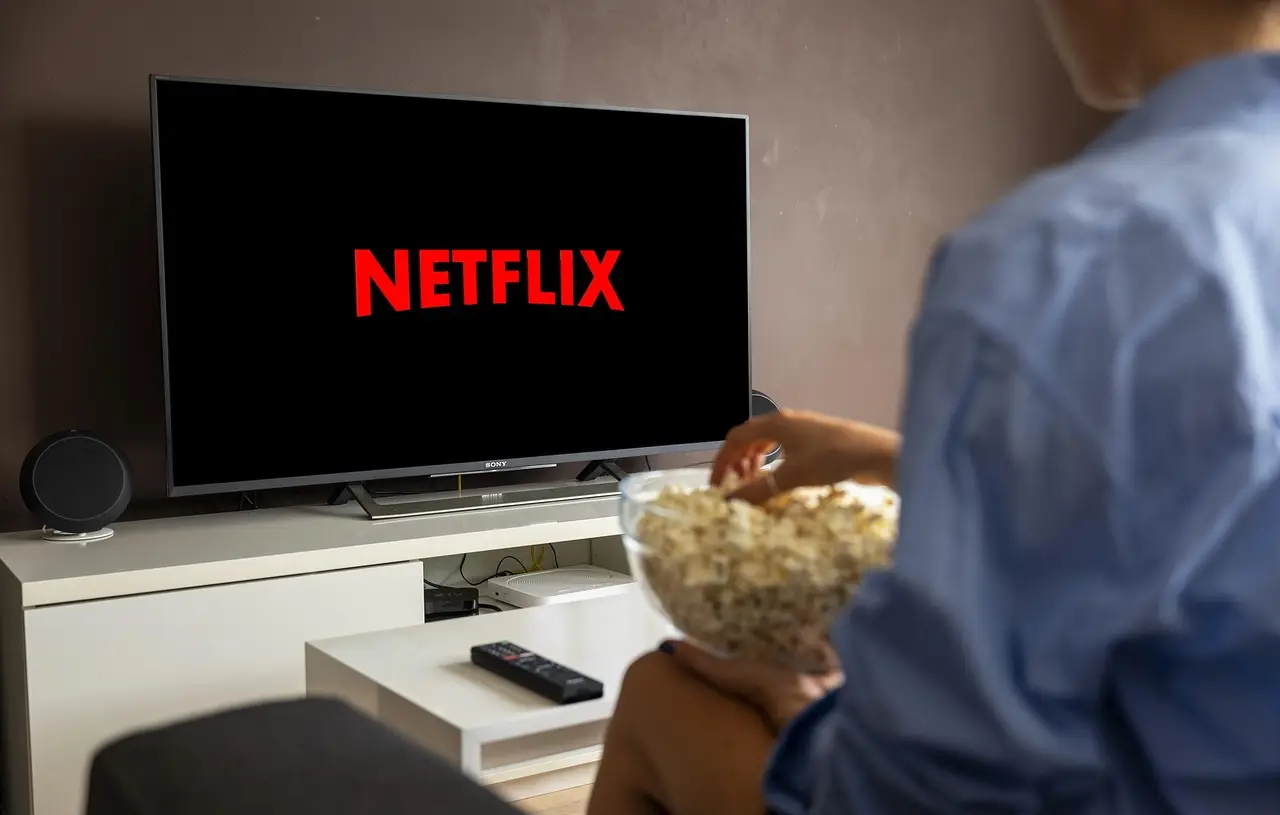
55% of European marketers plan to increase streaming TV spend over the next 12 months, according to the seventh Streaming TV Uncovered study from Comcast Advertising, published 16 November 2026. That growth outpaces social video, at 44%, and linear TV, at 20%.
The research surveys 500 advertising and agency decision-makers and influencers across the UK, France, Spain, Italy and Germany, with fieldwork running from July to August 2026 and the sample split evenly between advertisers and agencies.
Marketing budgets across the region remain cautious. The study's central argument is that video money is splintering rather than shifting wholesale from one format to another. Streaming TV attracts the largest share of planned increases, but the release also flags persistent problems around audience scale, fragmented buying and measurement.
What is being funded?
The 55% headline covers four distinct formats: subscription streaming, ad-supported streaming (AVOD), broadcaster video on demand (BVOD) and free ad-supported streaming TV (FAST). The release does not separate the four, so the figure reads as an aggregate rather than a scorecard for any single one of them.
The case for spending more rests on viewing quality rather than price. Premium, high-quality viewing environments and engaged audiences are what Emmanuel Josserand, senior director of brand, agency and industry relations at Comcast Advertising, says marketers recognise as the unique value of streaming TV.
Is linear TV losing share?
No. Social and online video now accounts for the largest share of overall TV and video budgets, rising from 18% in 2025 to 28%. Linear TV's share also grew, from 12% to 15%. Digital video's advance is therefore not funded by cuts to traditional television.
The practical consequence for planners: a rising streaming line item does not mean a shrinking linear line item. Both are growing, and both remain small next to the 28% now taken by social and online video.
Where does generative AI fit?
Generative AI remains the leading strategy for marketers at 37%. It sits ahead of any other tactic the release names, which says as much about how budgets get set as about the technology itself.
What does this change for an advertiser?
For a buyer, the question is whether streaming TV has become buyable at scale. Josserand says: "Marketers recognise the unique value of streaming TV, from high-quality viewing environments to engaged audiences. However, while these premium qualities are well established, scale remains a key challenge."
His conditions for further growth are specific: "For streaming TV to truly compete for advertising investment, the industry must give marketers greater confidence in what they are buying, make it easier to reach audiences at scale, plan and buy across platforms, and measure campaign performance. Greater simplicity, transparency and comparability will be essential to realising streaming's full growth potential."
Three obstacles recur through the release: audience scale, fragmented buying and measurement. The test is straightforward — can an advertiser plan one campaign across subscription, AVOD, BVOD and FAST, then prove what it delivered? That is the gap between a 55% intention to spend more and a settled routine for buying across four formats.
Which sectors and which markets?
The report also compares sentiment across the five European markets and explores sector-level budget growth in online retail and general retail, luxury goods, consumer electronics and FMCG. The release itemises neither by country nor by sector, so every figure quoted here is a five-market aggregate.
Methodology: Comcast Advertising ran the research between July and August 2026, surveying 500 advertising and agency decision-makers and influencers across France, Germany, Italy, Spain and the UK, evenly split between advertisers and agencies. It is the seventh edition of the Streaming TV Uncovered series.
via exchangewire.com (Source)
More from Sophie Lindqvist
Show full bio
Staff writer covering money, funding and market shifts around marketing professionals running AI in the stack at Mart Signal.
164 articles
Bus out
- Twitch tests shoppable, skippable ads after Razer’s 2.44x ROAS test
- Amazon Ads Rolls Out AI-Powered Measurement Tools for Twitch
- Digital Video Ad Spend Climbs as AI and Targeting Reshape Strategy
- CTV Meets AI Attribution: Can a TV View Finally Be Tied to a Sale?
- Google Sets Minimum Budget Floor for Demand-Gen, Effective March 2026